
Our trainings are ideal for:
Therapists new to DBT
Clinicians seeking DBT certification hours
School counselors
Community mental health clinicians
Group therapists
Private practice therapists
Why Train With St. Louis DBT?
Learn from a DBT-LBC certified clinician
Interactive and experiential—not lecture-heavy
Live, not recorded, so you can ask questions and get real-time answers
Focus on real-world implementation
Small-group discussion and skill practice
Designed for immediate clinical application
Casey Limmer, MSW, LCSW, DBT-LBC is the founder of St. Louis DBT and a Linehan Board Certified Clinician™ in Dialectical Behavior Therapy. She has trained and supervised clinicians in the implementation of DBT across university, private practice, community mental health, and healthcare settings. Casey is known for translating complex DBT concepts into practical, immediately applicable clinical skills.
Upcoming Trainings
Like a beautifully built and well-appointed structure, effective DBT is built from interconnected components. This Architecture of DBT training series explores the foundation, tools, and thoughtfully designed intervention strategies that help clinicians deliver more effective treatment.
The DBT Blueprint: Constructing Competent DBT Practice

This comprehensive DBT training includes the 3 trainings shown below.
Dates: Sept. 25, Oct. 1-2, Oct. 8-9, 2026
CE Hours: 32.5 CE Hours
Intended Audience: Beginner and Intermediate Mental Health Professionals
Investment: $1195 $990 with code EARLYBIRD26 through Sept. 1
Explore the complete framework of Dialectical Behavior Therapy through a five-day training series that moves from foundational theory to skills training and individual therapy intervention design.
-
After DBT FUNdamantals, Participants will be able to:
Describe the historical and behavioral foundations that contributed to the development of Dialectical Behavior Therapy.
Explain the Biosocial Theory and Transactional Model of emotional dysregulation.
Identify the primary assumptions and dialectical principles utilized in DBT treatment.
Distinguish between acceptance-based and change-based interventions in DBT.
Summarize the stages of treatment and behavioral treatment targets used in comprehensive DBT.
Recognize the four DBT skills modules and their intended clinical functions.
Describe the primary modes of treatment utilized within comprehensive DBT programs.
Demonstrate the use of validation strategies and behavioral principles through experiential exercises and case examples.
After DBT Skills, participants will be able to:
Describe the structure and function of DBT skills training within comprehensive DBT treatment.
Distinguish between the roles of skills group leaders and co-leaders in DBT skills training.
Identify the goals and functions of the Core Mindfulness, Distress Tolerance, Emotion Regulation, and Interpersonal Effectiveness modules.
Explain the behavioral targets associated with each DBT skills module.
Demonstrate selected DBT skills through experiential exercises and role-play activities.
Summarize the rationale for teaching DBT skills in a structured psychoeducational format.
Apply DBT skills concepts to common clinical presentations involving emotional dysregulation and interpersonal difficulties.
Describe strategies for increasing skills generalization outside of therapy sessions.
After DBT Individual, participants will be able to:
Describe the structure and hierarchy of targets utilized in DBT individual therapy.
Identify behavioral principles used to conceptualize and intervene with emotionally dysregulated behaviors.
Demonstrate the use of behavioral chain analysis in case conceptualization and treatment planning.
Distinguish between validation strategies and change-oriented interventions utilized in DBT individual therapy.
Explain strategies for addressing therapy-interfering behaviors in DBT treatment.
Apply dialectical strategies to common clinical dilemmas encountered in DBT individual therapy.
Describe the function of diary cards and behavioral monitoring within DBT treatment.
Demonstrate the use of solution analysis and missing links analysis through role-play and experiential exercises.
Distinguish between appropriate and timely use of irreverence vs. warm engagement communication styles.
Identify commitment strategies used in DBT Therapy and demonstrate the use of those strategies through role-play.
Not everyone needs the full blueprint right away. Whether you're new to DBT, looking to deepen a specific skill set, or ready to focus on advanced intervention design, you can choose the training experience that best fits your professional goals. Each workshop stands on its own while also serving as part of the larger Architecture of DBT training series.
DBT FUNdamentals:
Laying the Foundations for Effective Practice
Date: September 25, 2026; 9AM-5PM
CE Hours: 6.5 CE Hours
Intended Audience: Beginner and Intermediate Mental Health Professionals
Investment: $275 — $234 with code EARLYBIRD26 through Sept. 1
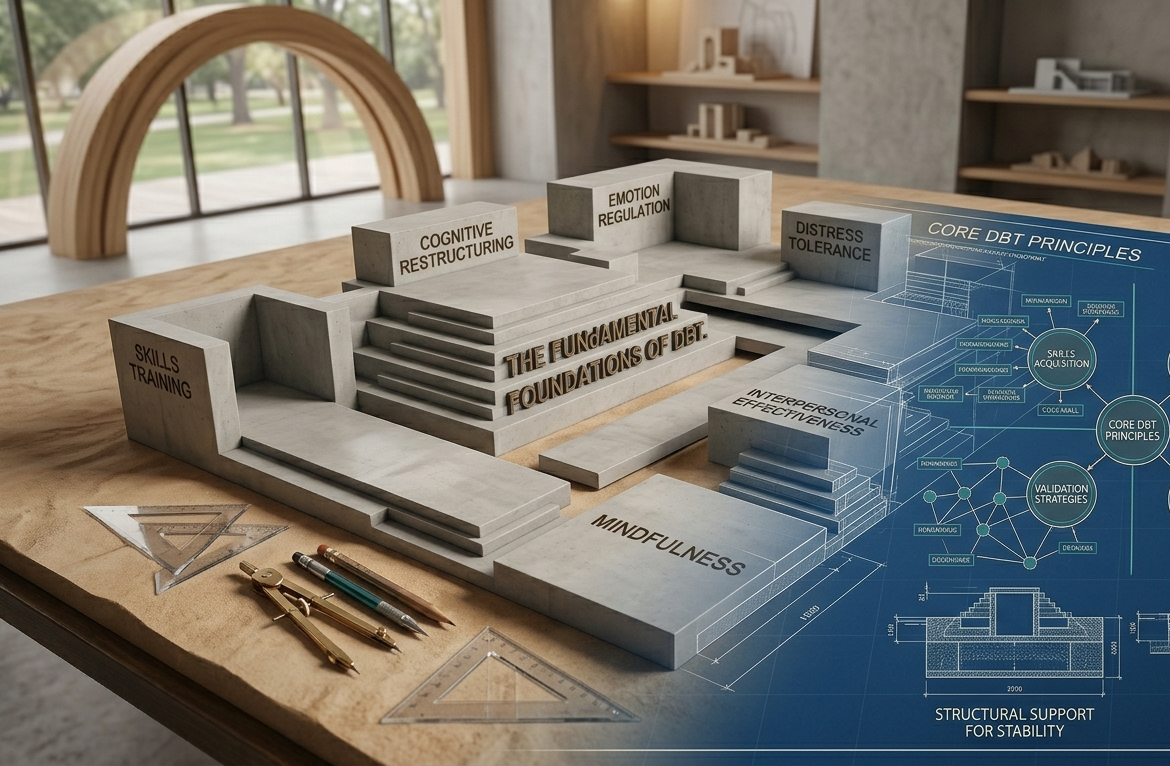
Every effective structure begins with a solid foundation. This workshop provides an engaging introduction to the theory, philosophy, and interventions that make DBT one of the most effective treatments for emotion dysregulation. Participants will learn how DBT therapists help clients manage overwhelming emotions, reduce self-destructive and crisis-driven behaviors, improve relationships, increase resilience during difficult moments, and build meaningful lives aligned with their values. Along the way, attendees will gain a practical introduction to DBT skills, validation strategies, behavior change techniques, and the principles that drive lasting change.
-
Participants will be able to:
Describe the historical and behavioral foundations that contributed to the development of Dialectical Behavior Therapy.
Explain the Biosocial Theory and Transactional Model of emotional dysregulation.
Identify the primary assumptions and dialectical principles utilized in DBT treatment.
Distinguish between acceptance-based and change-based interventions in DBT.
Summarize the stages of treatment and behavioral treatment targets used in comprehensive DBT.
Recognize the four DBT skills modules and their intended clinical functions.
Describe the primary modes of treatment utilized within comprehensive DBT programs.
Demonstrate the use of validation strategies and behavioral principles through experiential exercises and case examples.
DBT Skills:
Tools for Building a Life Worth Living
Dates: October 1-2, 2026; 9AM-5PM
CE Hours: 13 CE Hours
Intended Audience: Beginner and Intermediate Mental Health Professionals
Investment: $595 — $506 with code EARLYBIRD26 through Sept. 1
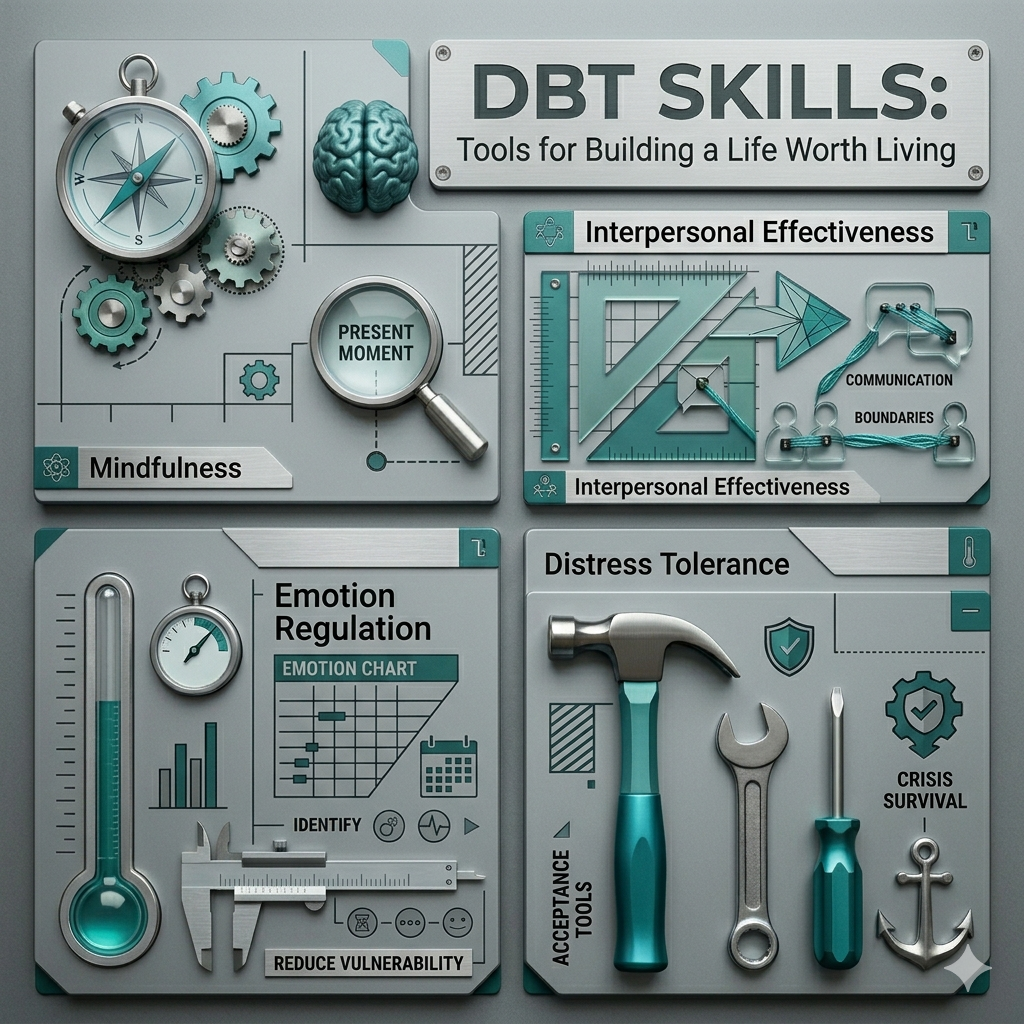
A well-designed building requires the right tools, as well as the knowledge, skill, and motivation to use them. This workshop explores DBT's skills curriculum and shows clinicians how to move beyond insight-oriented discussions toward concrete behavioral change. Participants will learn practical skills-based interventions that help clients manage emotional dysregulation, tolerate distress, improve interpersonal effectiveness, and increase mindfulness in daily life. You will leave with a deeper understanding of how to teach, reinforce, and motivate skill use, helping clients make meaningful progress between sessions — not just during them.
-
Participants will be able to:
Describe the structure and function of DBT skills training within comprehensive DBT treatment.
Distinguish between the roles of skills group leaders and co-leaders in DBT skills training.
Identify the goals and functions of the Core Mindfulness, Distress Tolerance, Emotion Regulation, and Interpersonal Effectiveness modules.
Explain the behavioral targets associated with each DBT skills module.
Demonstrate selected DBT skills through experiential exercises and role-play activities.
Summarize the rationale for teaching DBT skills in a structured psychoeducational format.
Apply DBT skills concepts to common clinical presentations involving emotional dysregulation and interpersonal difficulties.
Describe strategies for increasing skills generalization outside of therapy sessions.
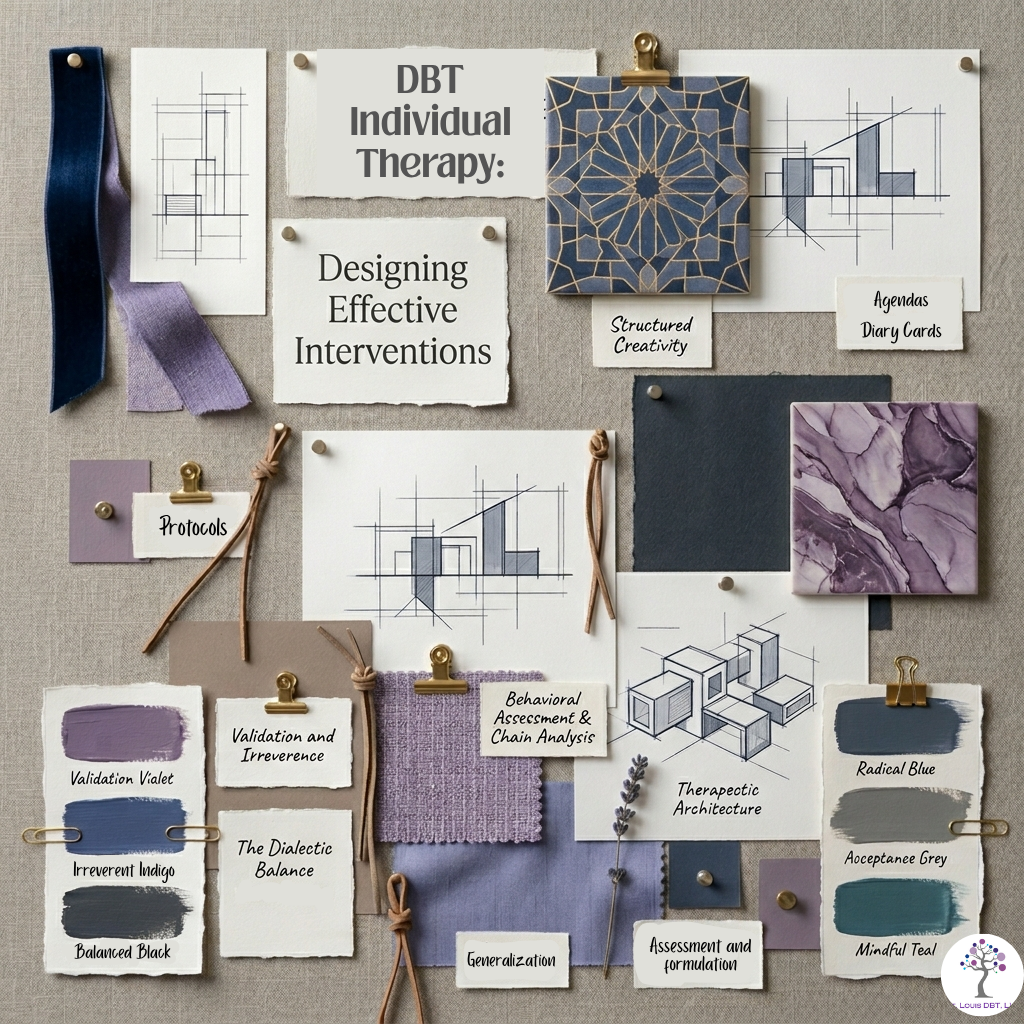
DBT Individual Therapy:
Designing Effective Interventions
Dates: October 8-9, 2026; 9AM-5PM
CE Hours: 13 CE Hours
Intended Audience: Beginner and Intermediate Mental Health Professionals
Investment: $595 — $506 with code EARLYBIRD26 through Sept. 1
Great design is rarely accidental. Designers learn to identify patterns, anticipate challenges, and make deliberate choices that bring diverse elements together into a functional whole. Similarly, DBT therapists learn to recognize the behavioral patterns that keep clients stuck and strategically combine validation, change strategies, and skills interventions to create meaningful change. This workshop explores how DBT therapists identify barriers to progress, increase motivation, address therapy-interfering behaviors, and respond effectively to crises. You'll leave with practical strategies for helping clients make progress when insight alone isn't enough.
-
Participants will be able to:
Describe the structure and hierarchy of targets utilized in DBT individual therapy.
Identify behavioral principles used to conceptualize and intervene with emotionally dysregulated behaviors.
Demonstrate the use of behavioral chain analysis in case conceptualization and treatment planning.
Distinguish between validation strategies and change-oriented interventions utilized in DBT individual therapy.
Explain strategies for addressing therapy-interfering behaviors in DBT treatment.
Apply dialectical strategies to common clinical dilemmas encountered in DBT individual therapy.
Describe the function of diary cards and behavioral monitoring within DBT treatment.
Demonstrate the use of solution analysis and missing links analysis through role-play and experiential exercises.
Distinguish between appropriate and timely use of irreverence vs. warm engagement communication styles.
Identify commitment strategies used in DBT Therapy and demonstrate the use of those strategies through role-play.
About the Trainers

Casey Limmer, MSW, LCSW, DBT-LBC
Founder and CEO of St. Louis DBT and Gateway Wellness Associates.
As a DBT clinician, program developer, trainer, and former university instructor, Casey Limmer has spent more than 20 years helping clients and clinicians navigate the challenges of emotion dysregulation, suicidality, self-injury, trauma, and Borderline Personality Disorder.
Trained in CBT by Judith Beck and in DBT by Marsha Linehan, Casey has developed multiple DBT programs, earned DBT-Linehan Board Certification, and trained clinicians around the world. Known for her practical, engaging teaching style, she received the Excellence in Teaching Award from Washington University in St. Louis.
Through the DBT Architecture Workshop Series, Casey helps clinicians move beyond simply learning DBT's individual components to understanding how the entire structure fits together—creating treatment plans that are intentional, stable, and built to withstand the complexities of real-world clinical practice.

Adrianne Martin, MSW, LCSW
Founder/CEO, A Nu Day Therapy and Lead Therapist and Trainer at STLDBT
Adrianne Martin, MSW, LCSW has worked in crisis intervention settings since 2007 and began specializing in suicide-related care while completing her Master of Social Work degree at Washington University in St. Louis. Adrianne is passionate about clinician training and suicide prevention education and serves as a Master Trainer for Applied Suicide Intervention Skills Training (ASIST).
Adrianne provides DBT-informed treatment through her private practice and collaborates with St. Louis DBT in the treatment of individuals diagnosed with Borderline Personality Disorder and related disorders involving emotional dysregulation.
-
Attendance Policy and CE information
Participants attending in person will sign in and out for morning and afternoon sessions. Attendance records will be maintained in accordance with CE provider requirements. Participants must attend the full training in order to receive CE credit. Certificates are awarded online after completion of the workshop. Participants print their own certificate after registering at CE-Classes.com, entering a keycode, and completing an evaluation form.
CE-Classes.com is the provider of CE credits for this training.
Licensed professionals should contact their regulatory board to determine course approval.
CE-Classes.com is approved by the American Psychological Association to sponsor continuing education for psychologists. CE-Classes.com maintains responsibility for this program and its content.
This course is NOT available for NBCC credit. This course does not offer ASWB ACE credit to social workers. However, APA and state board approvals may be accepted for license renewal. Participants should check with their state board.
Cancellation PolicyRefund requests submitted at least 14 days prior to the training date will receive a full refund minus any processing fees. Refund requests submitted within 14 days of the training may be transferred to a future training date at the discretion of the organizer.
Grievance PolicyAll grievances must be submitted in writing to the program administration email address (info@stldbt.com) and will receive a written response within 5–10 business days.
Intended Audience:
Psychologists, Counselors, Social Workers, Mental Health Professionals
Skill Level:
All workshops are appropriate for Beginner or Intermediate Level Mental Health Professionals
ADA Statement:
This workshop is held in facilities which are in compliance with the Americans with Disabilities Act. Please contact casey@stldbt.com if special accommodation is required.
Conflict of Interest Statement:
There are no known conflicts of interest for this workshop.

Recent Trainings

Want to learn DBT Skills AND Practice Them in a Surreal Setting?
Engage in a fun workshop in the mornings and vacation in the afternoons! Plus, get amazing savings on your vacation package at an all-inclusive resort!
Participants in this workshop will be “challenged” to continue the morning’s learning by practicing mindfulness amidst swaying palms and turquoise waters, applying distress tolerance techniques while savoring the calm of a secluded beach, refining emotion regulation skills as they relax by the pool, and trying out interpersonal effectiveness skills while ordering their favorite flavored margarita!
This training features St. Louis DBT’s CEO, Casey Limmer and is presented by Evidence Based Training Solutions.
To join our email list and get up to the minute updates ons scheduled trainings, please click the button below.
What are People Saying About Our Trainings?
We have been providing training in DBT since 2012 and so far, 100% of previous participants have stated they would recommend our trainings to friends or colleagues!
100% of past participants found their instructor to be “extremely engaging”!
“Super knowledgeable trainers, with a variety of approaches to and interpretations of the concepts/tools in individual DBT sessions. The instructors make a very intimidating program feel intuitive and easy to learn in small bites. ”
“I feel like a more effective/competent counselor as a result of this training. I highly recommend this training if you want to add skills/tools to your counseling repertoire. The training was fun, informative, and interactive. I am truly thankful to have experienced this training. ”
“I would highly recommend any clinician to take the 3 DBT trainings offered by StlDBT! They not only help you to feel competent in teaching DBT skills, but also set you up for joining a consultation group with your training cohort. The trainers are dynamic and keep you engaged through all 6 days of training. I cannot say enough how much I enjoyed these, and all of the information given to us!”
“I am extremely cautious when it comes to attending trainings offered by independent/private clinicians. So much so, I elected to only register for the first training, forgoing the bundled discount, not knowing how valuable this training would be. Following the first session, I immediately committed to completing the additional three sessions. Casey and Adrianne are beyond knowledgeable. Their dedication and commitment to this work and their clients is evident from the start. I left all four sessions with tools I could implement into practice immediately. I left the final session with an excitement to continue to grow my DBT skills and knowledge. This is a training well worth your time and investment.”
Clinical Trainings for Your Organization
We offer training in Dialectical Behavior Therapy (DBT) as a therapeutic modality in a clinical setting. We offer anything from 1 hour in-service introductions to DBT that help front line and clinical staff make better referrals to full comprehensive DBT trainings for organizations ready to start full programming.

On-Site Clinical Trainings for Dialectical Behavior Therapy
DBT is a comprehensive treatment that includes behavioral skills training, individual therapy, between-session coaching, and ongoing therapist consultation. The model was first created to treat people with suicidal and self-injurious urges and behaviors and has since been found to be highly effective for many mental health issues, including depression, anxiety, substance abuse, eating disorders, and more.
At St. Louis DBT, it is our mission to make this model accessible to everyone. Part of that mission means educated professionals about DBT and how to do it.
Available training in DBT include:
-
In this 1 hour workshop, perfect for your organization’s in-service meeting or as a graduate level class guest speaker, your trainer will introduce you to DBT’s philosophies, interventions, and skills.
-
We offer introduction to DBT trainings for school counselors that range from 3 hours to 2 day workshops. Participants will learn tangible and immediately usable techniques to use when working with emotionally dysregulated kids.
Pricing
Pricing for our trainings is based on length of the program, number of participants, and number of trainers (some trainings require two trainers). Please contact Casey Limmer for a quote.
Most trainings can be offered as either virtual or in-person. Please indicate which you prefer when contacting us.
“Thank you for sending us Bridget and Adrianne! The teachers, social workers, and counselors in our school system now feel prepared to help their students who are struggling with depression, self-harm, and suicide.”